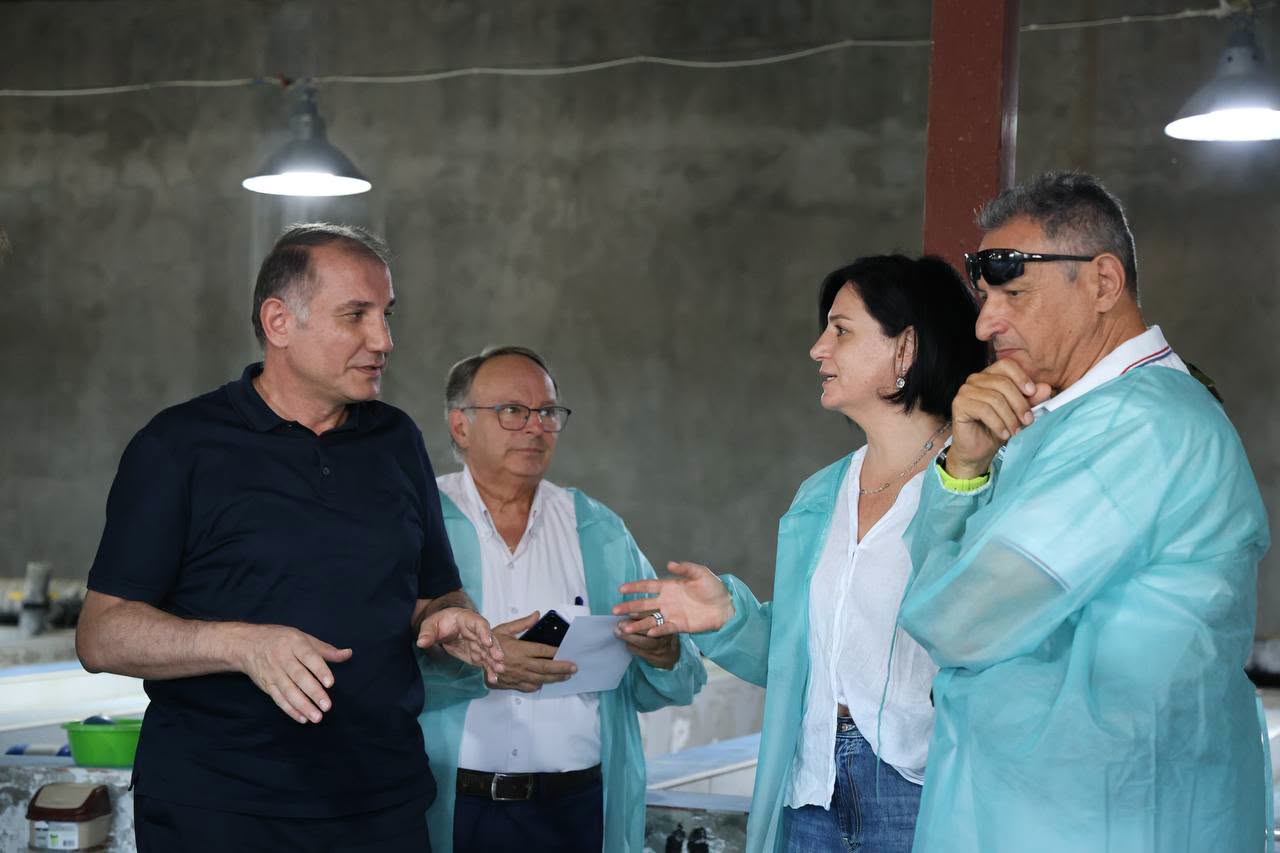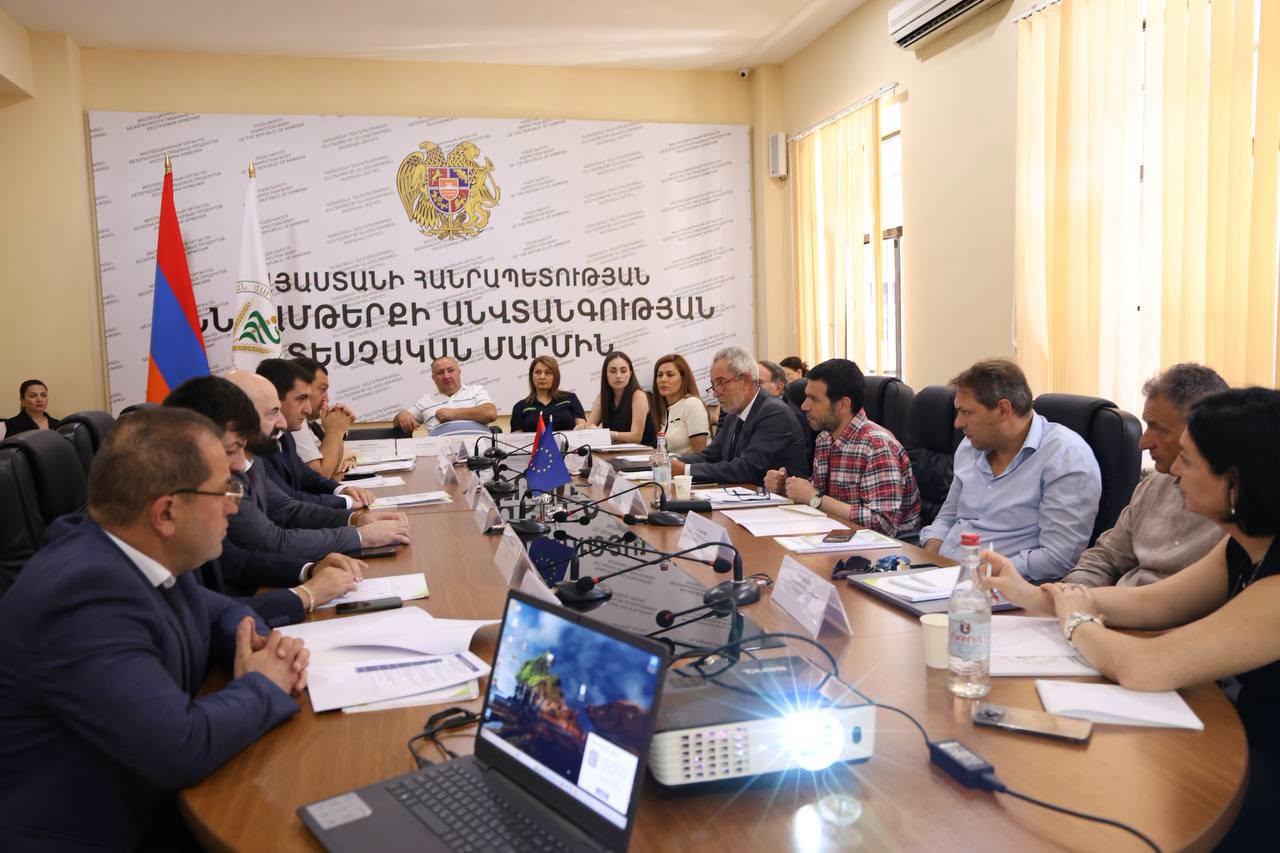
Within the framework of the European Commission’s TAIEX programme, and through cooperation between the Food Safety Inspection Body and the Ministry of Economy of the Republic of Armenia, field and classroom training sessions were held on the effective management of perishable products, food safety assurance, and the improvement of related processes.
During the training, Italian experts presented best practices, practical approaches, and technical solutions applied in European Union countries, providing participants with an opportunity to familiarise themselves with modern mechanisms for the control and management of perishable products.
The training covered food safety assurance, customs procedures, maintenance of the cold chain, reduction of food losses, and effective logistics management of products. Particular attention was also paid to processing operations, laboratory testing, conformity assessment of products, as well as the interconnection and effective organisation of these processes.
The training was attended by representatives of the responsible units in the field of food safety, as well as specialists from the “Republican Veterinary-Sanitary and Phytosanitary Laboratory Services Centre” SNCO (“RVSLPSC” SNCO). Their participation provided an opportunity for professional discussions on the role of laboratory testing in ensuring food safety, the use of test results, and their importance in the product conformity assessment process.
The training also provided participants with an opportunity to exchange experience, discuss professional issues, and explore possibilities for improving existing processes in the sector based on European experience.
According to the Deputy Head of the Food Safety Inspection Body, such professional training activities are of particular importance for adapting and aligning European Union requirements and best practices, enhancing Armenia’s export potential and preparedness, and diversifying trade opportunities in the agri-food sector.
Such initiatives implemented within the framework of the programme also contribute to the development of the professional capacities of specialists from state institutions, control authorities, and laboratory systems, while promoting the establishment of unified and effective approaches to food safety assurance.
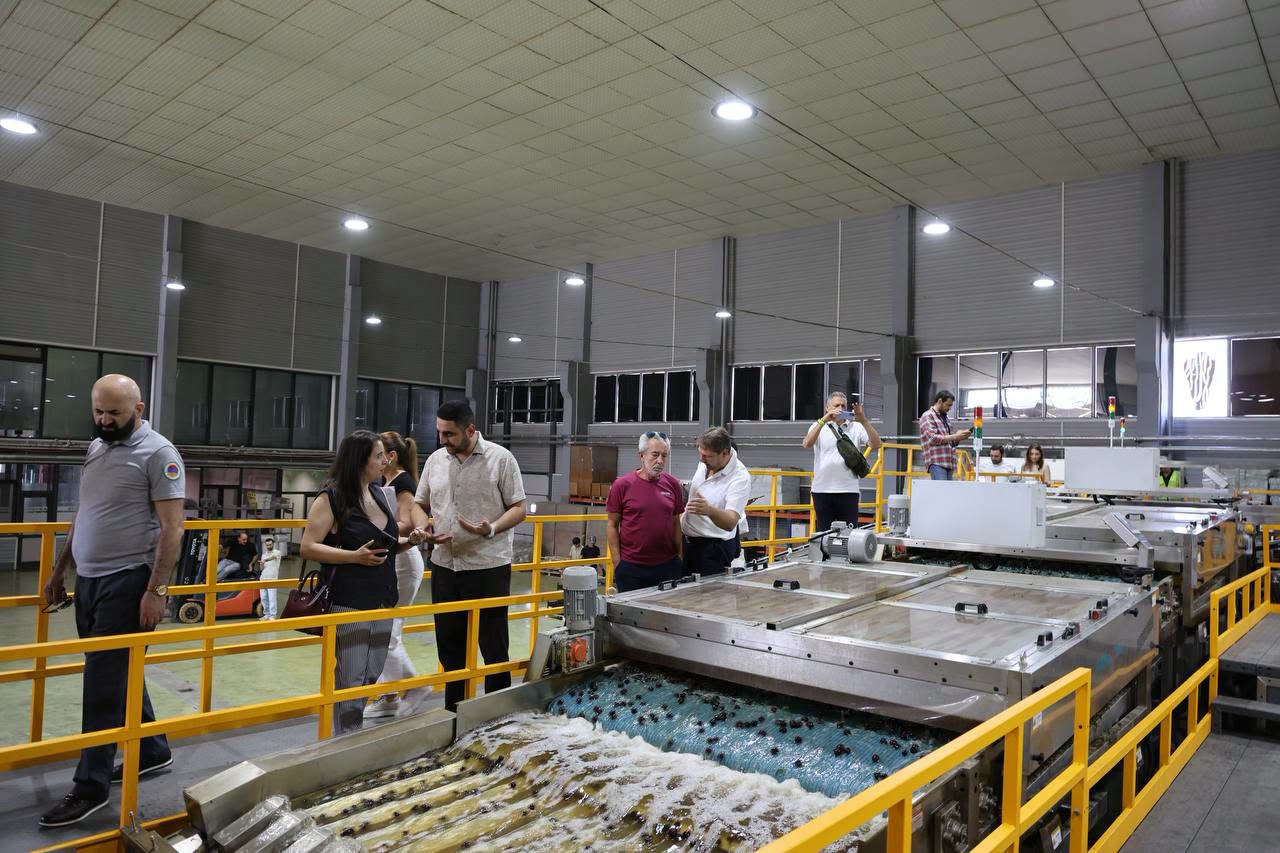
image2
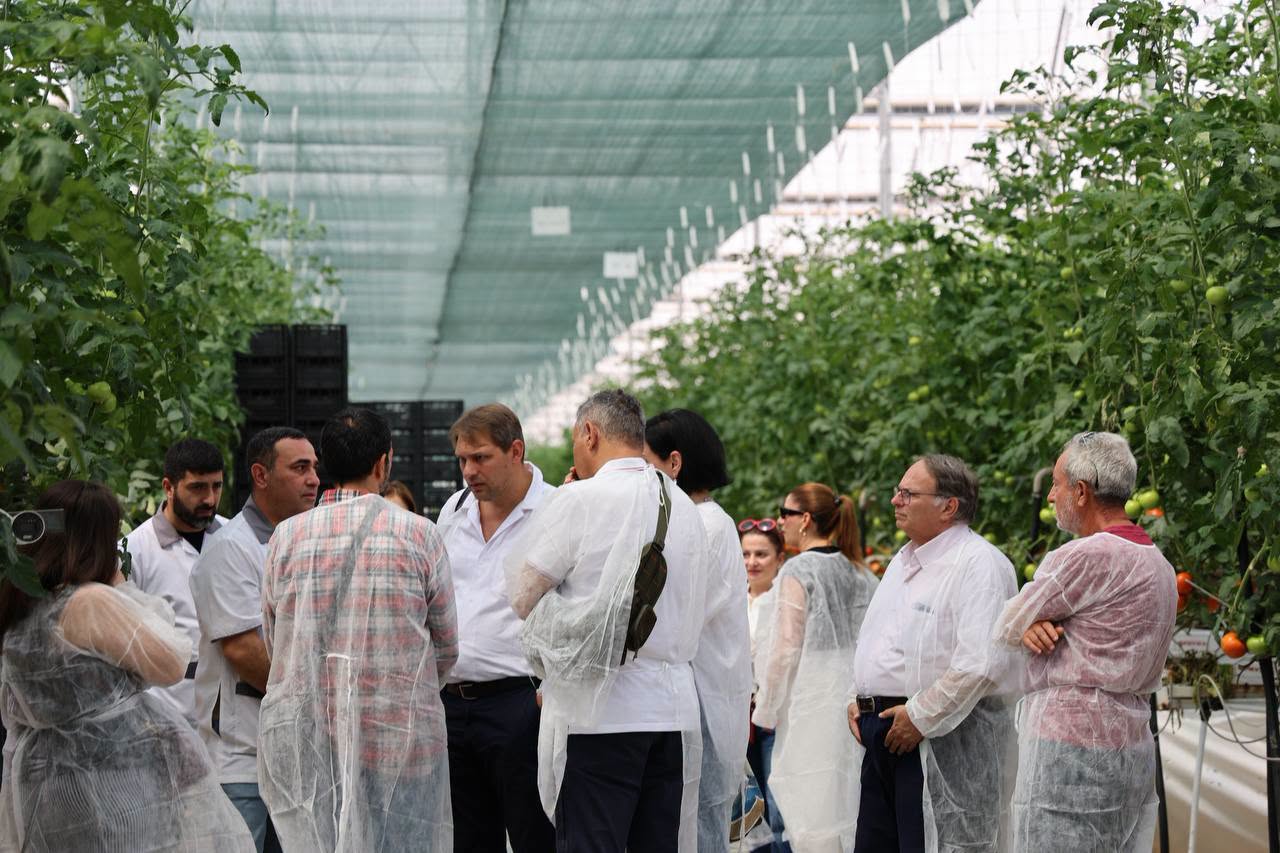
image4