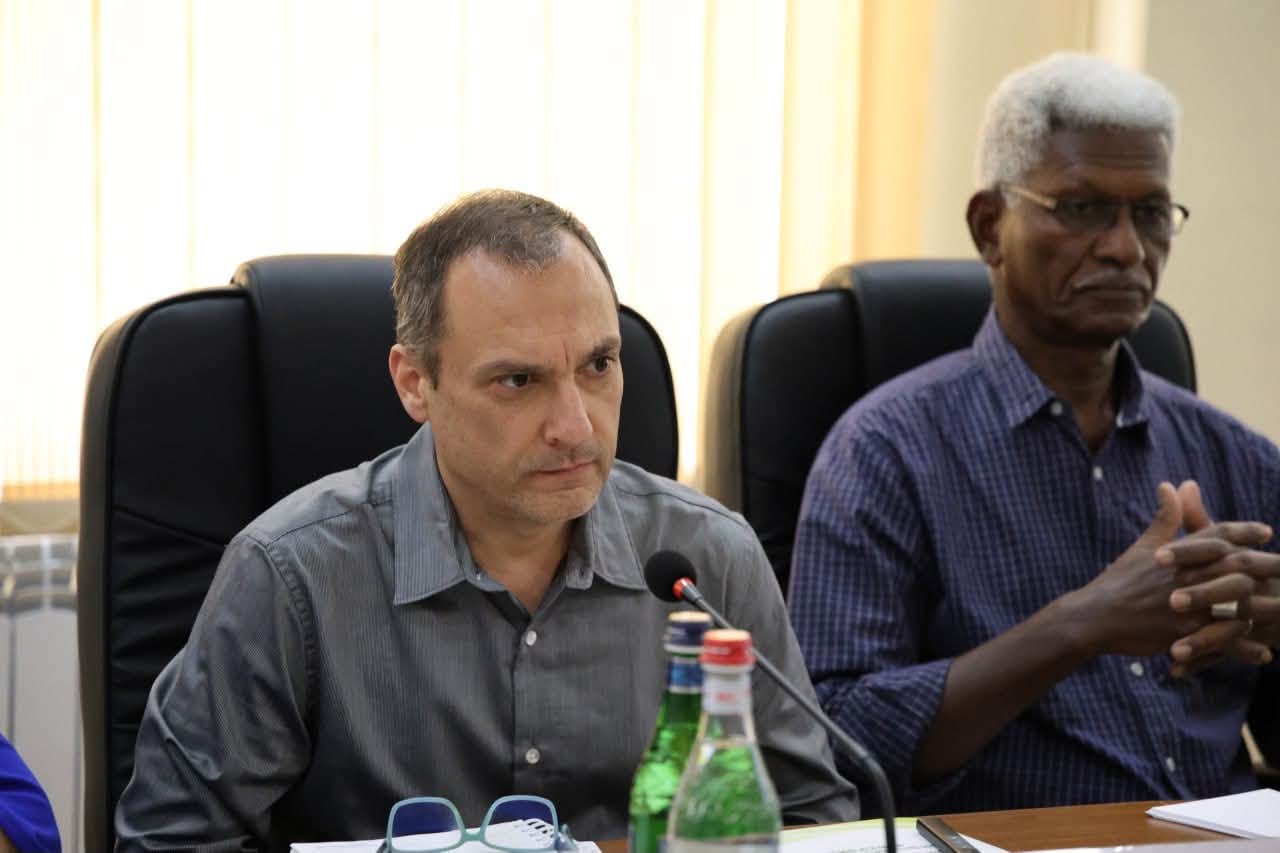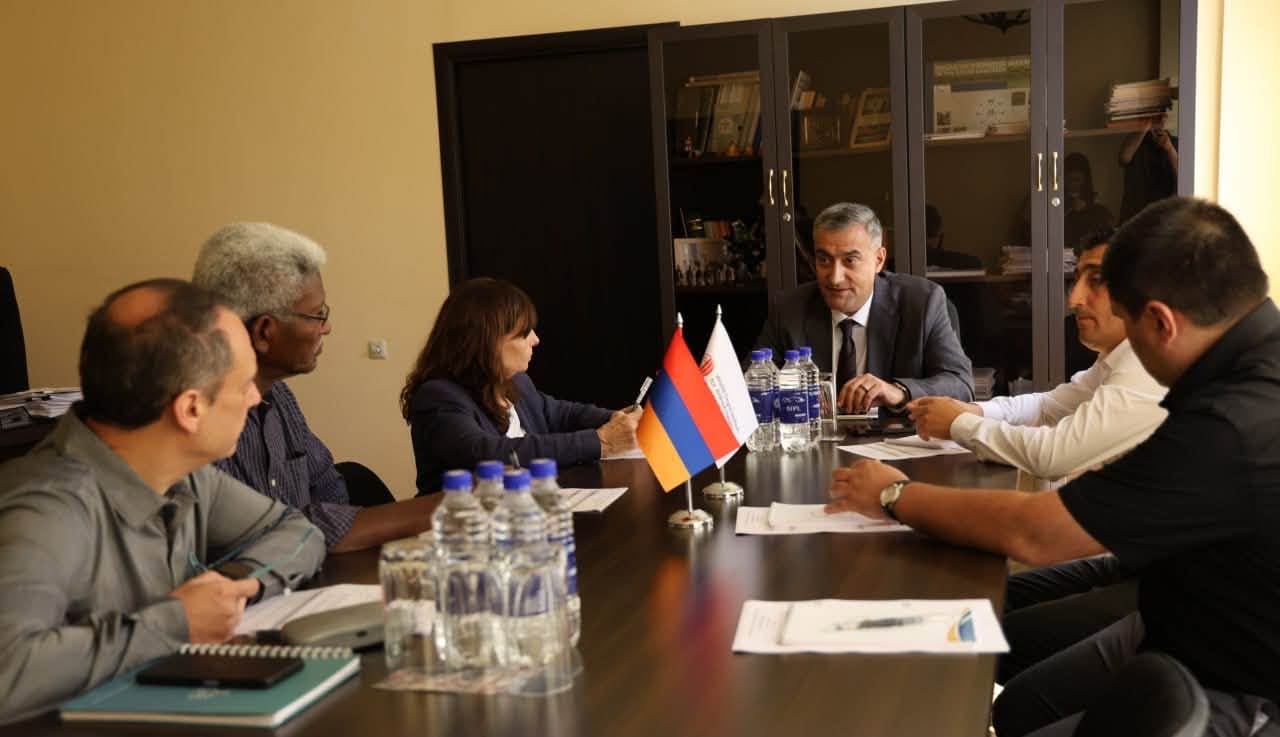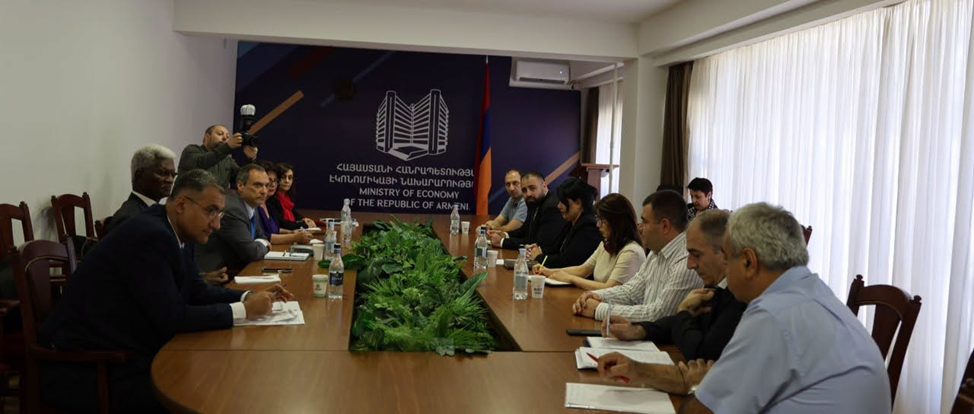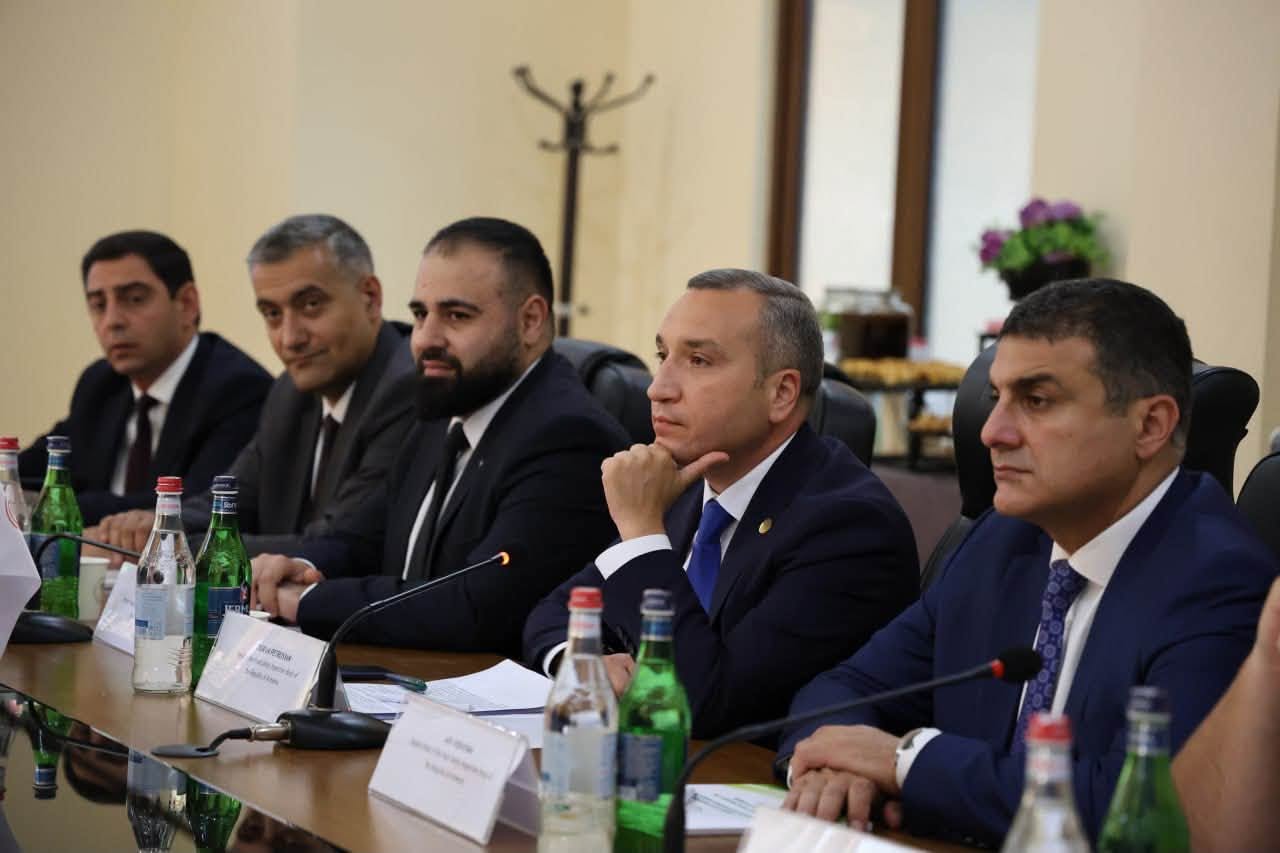
Within the framework of the World Organisation for Animal Health (WOAH) Performance of Veterinary Services (PVS) Programme, an assessment mission of veterinary services and laboratory capacities was conducted in the Republic of Armenia.
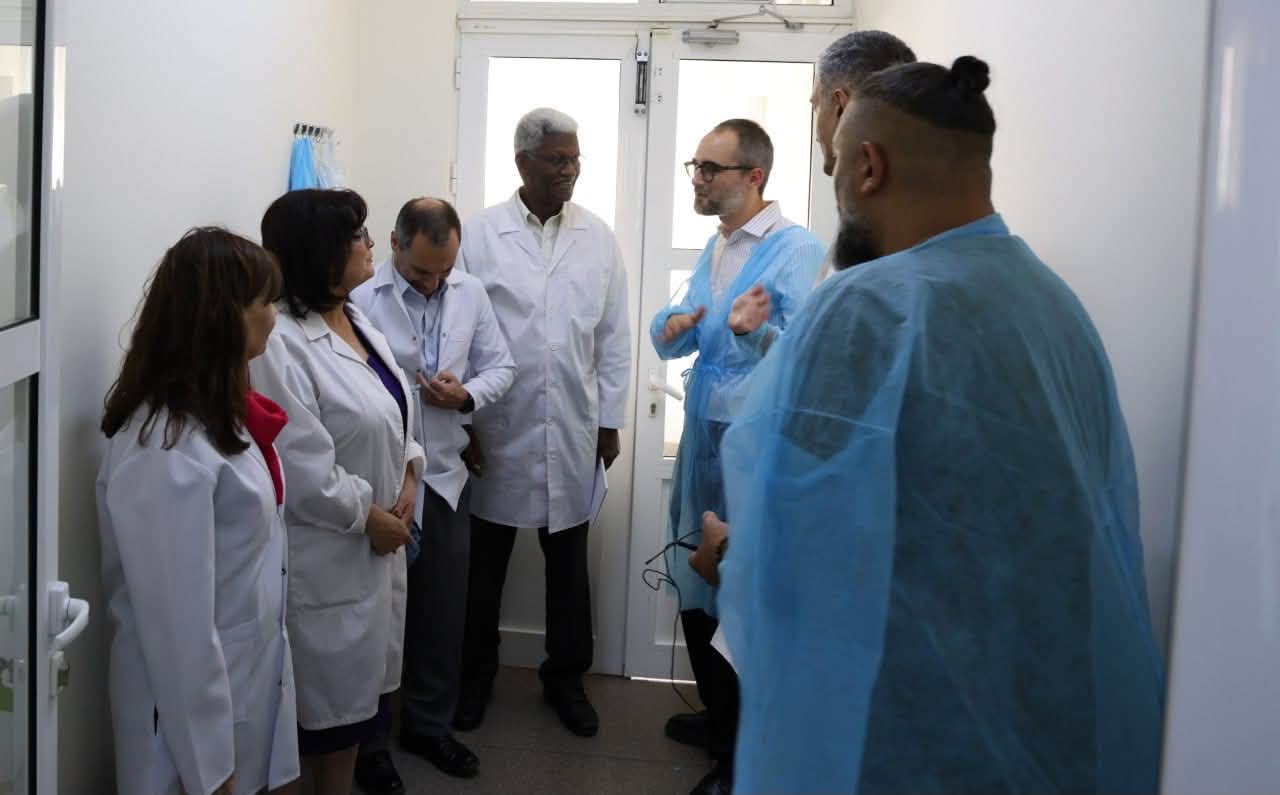
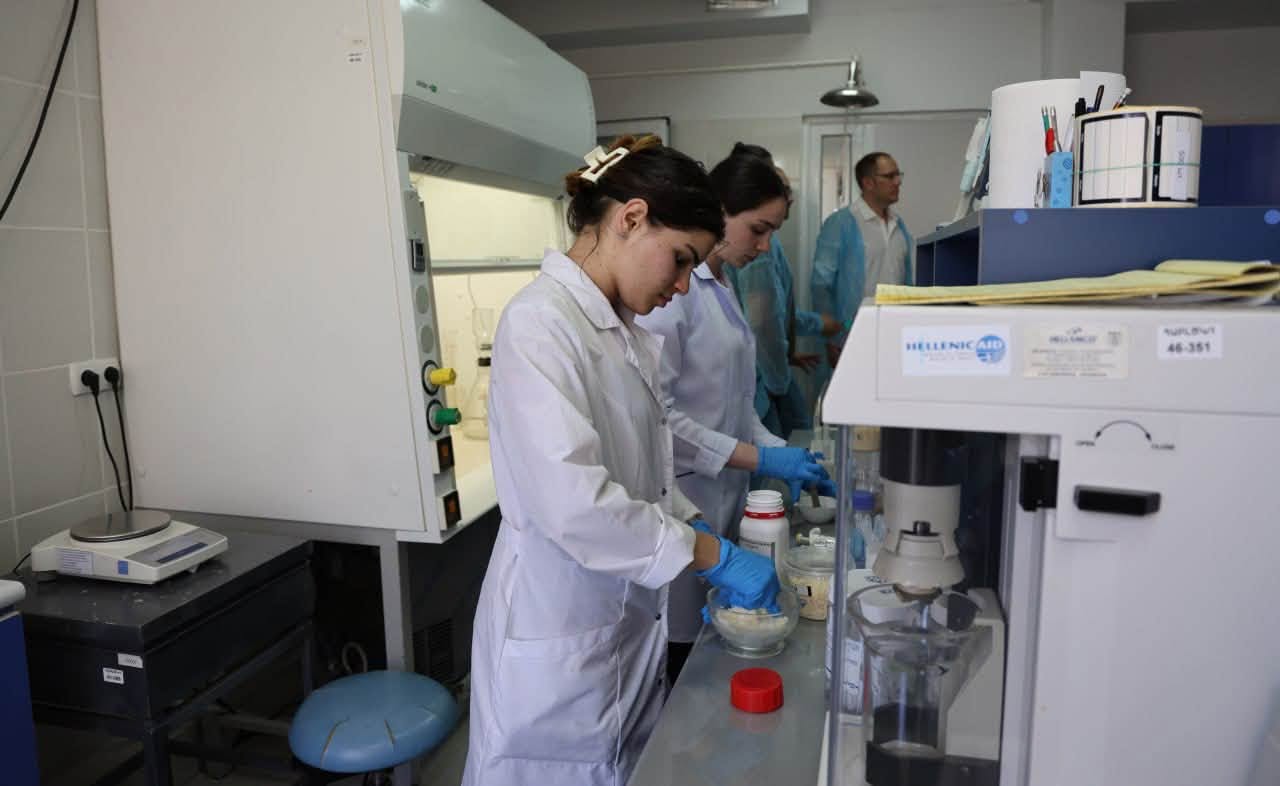
As part of the assessment, representatives of the World Organisation for Animal Health expert team, at the invitation of the Food Safety Inspection Body, visited the “Republican Veterinary-Sanitary and Phytosanitary Laboratory Services Center” SNCO (RVSLPSC SNCO) to familiarize themselves with the organization’s veterinary laboratory diagnostic capabilities, technical and material resources, professional capacity, and laboratory infrastructure.
During the visit, conducted within the framework of the “Sustainable Laboratories” initiative and led by Dr. André de Oliveira Mendonça, the expert team examined the activities of the RVSLPSC SNCO’s units operating in Yerevan, Gegharkunik and Shirak regions, as well as the capacities of the organization’s “Special Dangerous Pathogens Reference Testing Laboratory.”
The experts reviewed the laboratory testing and diagnostic processes carried out at the RVSLPSC SNCO, its laboratory infrastructure, equipment and technical resources, human resources, as well as the organization’s role in the animal disease control and veterinary laboratory diagnostic system.
Particular attention was paid by the expert team to areas for the further development and modernization of veterinary laboratory capacities. The observations and recommendations presented concerned the introduction of new and more comprehensive methods and tests within the scope of laboratory examinations, continuous professional development, staff training, the involvement of young specialists, and the expansion of laboratory diagnostic capabilities.
An important component of the assessment of the RVSLPSC SNCO’s activities was also the continuous development of the organization’s laboratory network and ensuring its compliance with international requirements. In this regard, external professional assessments provide an opportunity to identify development priorities, evaluate existing capacities, and determine the directions necessary for their further improvement.
The assessment also addressed a number of issues related to the development of Armenia’s veterinary laboratory system, including the need to establish a digital system for consolidating information on laboratory capacities and creating a corresponding registry, continuous improvement of professional qualifications, and human resource development.
The visit conducted by the expert team of the World Organisation for Animal Health represents an important step toward the further development of the RVSLPSC SNCO’s laboratory capacities, the application of international best practices, and the continuous improvement of the quality of veterinary laboratory services.
The preliminary results of the assessment conducted by the expert team will be presented following a detailed review and analysis of the collected data.
Recognizing the importance of international professional cooperation and the continuous improvement of its capacities through external assessments, the RVSLPSC SNCO is committed to continuing its efforts to develop veterinary laboratory diagnostic capabilities, strengthen professional capacity, and further improve laboratory quality management systems.